Planning to create, renovate or refurbish your pharmacy? Before thinking about materials, furniture or deadlines… let’s talk insurance for a moment. Yes, it may not be the most exciting part of a construction project, but when something goes wrong, it can make all the difference.
At ECOOR, we don’t just deliver high-quality spaces: we take a methodical approach to protecting every project. For you, for your customers, and so everyone involved can sleep a little easier at night.
So, what insurance cover should you consider when carrying out construction or refurbishment works ? Let’s take a closer look.

Ten-Year Liability Insurance: The Bare Minimum… But Not for Everyone
Starting a construction project without ten-year liability insurance ? You might as well go hiking without shoes. This cover, not mandatory for everyone, but required by ECOOR, protects the project owner for 10 years following handover. It applies to damage that could compromise the structural integrity of the works or make them unfit for their intended purpose.
This insurance may come into play if, for example:
- The roof starts leaking three years after completion
- The foundations begin to subside
- Waterproofing in the sanitary areas fails
- The heating system breaks down
It does not cover furniture or decoration and, in most cases, excludes minor finishes such as wallpaper, paintwork and removable fittings.
At ECOOR, all subcontractors are required to hold ten-year liability insurance appropriate to their specific trade. Each client also receives clear documentation, including the relevant insurance certificate. No grey areas, no unwelcome surprises.
Ten-year liability insurance remains valid for 10 years.
The result : you’re covered if an eligible issue is identified after the project has been handed over.
Professional Liability, Structural Damage and All-Risks Construction Insurance :
The Cover That Completes the Package
Professional Liability Insurance : Cover for the Unexpected
Before, during or after the project, the unexpected can happen at any time. That’s where professional liability insurance comes in. Taken out by construction companies, it covers damage caused to third parties in connection with the construction contract.
For example :
- Bodily injury: a customer is injured in an inadequately marked-off work area.
- Property damage: a worker damages a shop window while handling equipment.
- Business interruption and consequential financial loss: a water leak forces a neighbouring business to suspend its operations.
Important : professional liability insurance does not replace ten-year liability insurance, which applies specifically to eligible construction defects identified after the works have been handed over.
Professional liability insurance applies throughout the duration of the works.
The result: you’re covered if damage is caused to a third party during the construction project.
Structural Damage Insurance : The Project Owner’s Safety Net
Often overlooked, wrongly so, structural damage insurance (assurance dommages-ouvrage, or DO) can be a real lifesaver. Taken out by the project owner, that’s you !, it allows eligible defects to be repaired quickly, without having to wait for liability to be determined between the various construction companies involved in the project.
For example:
- Tiles start cracking a few months after handover?
- Water infiltration appears in a load-bearing wall?
The result : repair work can be initiated without waiting for the question of liability to be settled, while the insurers determine later who is responsible for covering the cost.
Structural damage insurance takes effect one year after handover and provides cover for up to 10 years.
The result : faster action and greater peace of mind.
Contractors’ All Risks (CAR) Insurance : For Sensitive Projects
Less common, but no less useful, Contractors’ All Risks insurance provides comprehensive cover during the construction phase. It can cover risks such as theft, fire, accidents and material damage occurring while the works are underway. It may be taken out by you, as the project owner, by us as the general contractor, or by the project manager.
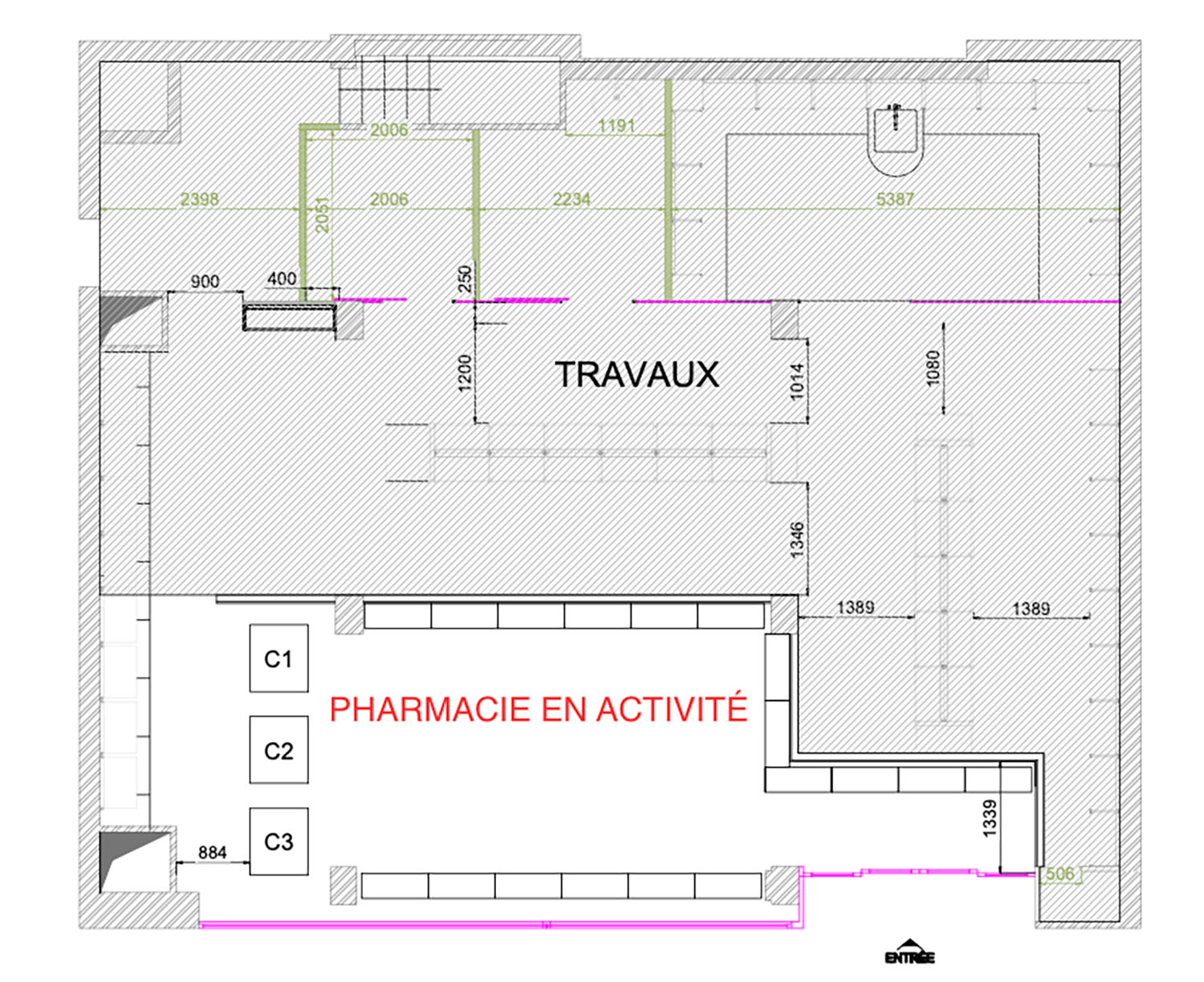
At ECOOR, we use this type of cover particularly for projects carried out in occupied premises, such as luxury stores that remain open to the public or hotels that continue operating throughout the works. The objective ? To leave nothing to chance — not even the unexpected.
CAR insurance provides cover throughout the construction period, until completion of the works.
The result : you’re protected against material risks and unforeseen events while the project is being delivered.
So, What Does ECOOR Actually Do for Its Clients When It Comes to Insurance?
Working with ECOOR means:
- Rigorous support from contract signature through to final handover, with a single point of contact throughout the project.
- Carefully selected contractors, all holding the appropriate and up-to-date insurance cover.
- Clear documentation, including ten-year liability insurance certificates, professional liability insurance and a complete administrative file.
- A team that knows the subject inside out — and doesn’t play with fire.
Ludovic Ricard, Manager of our Montpellier office, sums it up well :
“Prevention is better than cure. Our own insurance cover, combined with thorough checks of our partner contractors’ policies, allows us to deliver projects with complete peace of mind. And that peace of mind is shared with our clients, before, during and after the works.”
What Insurance Cover Should You Consider for Your Construction Project ?
Here’s a quick recap:
- Professional liability and ten-year liability insurance: ask each contractor, or your general contractor, to provide the relevant insurance certificates.
- Take out structural damage insurance (DO), particularly for projects involving significant structural or construction work.
- Consider Contractors’ All Risks (CAR) insurance if your business will remain operational throughout the works.
- Work with an experienced general contractor who knows how to manage project risks and ensure the appropriate safeguards are in place.